
About us
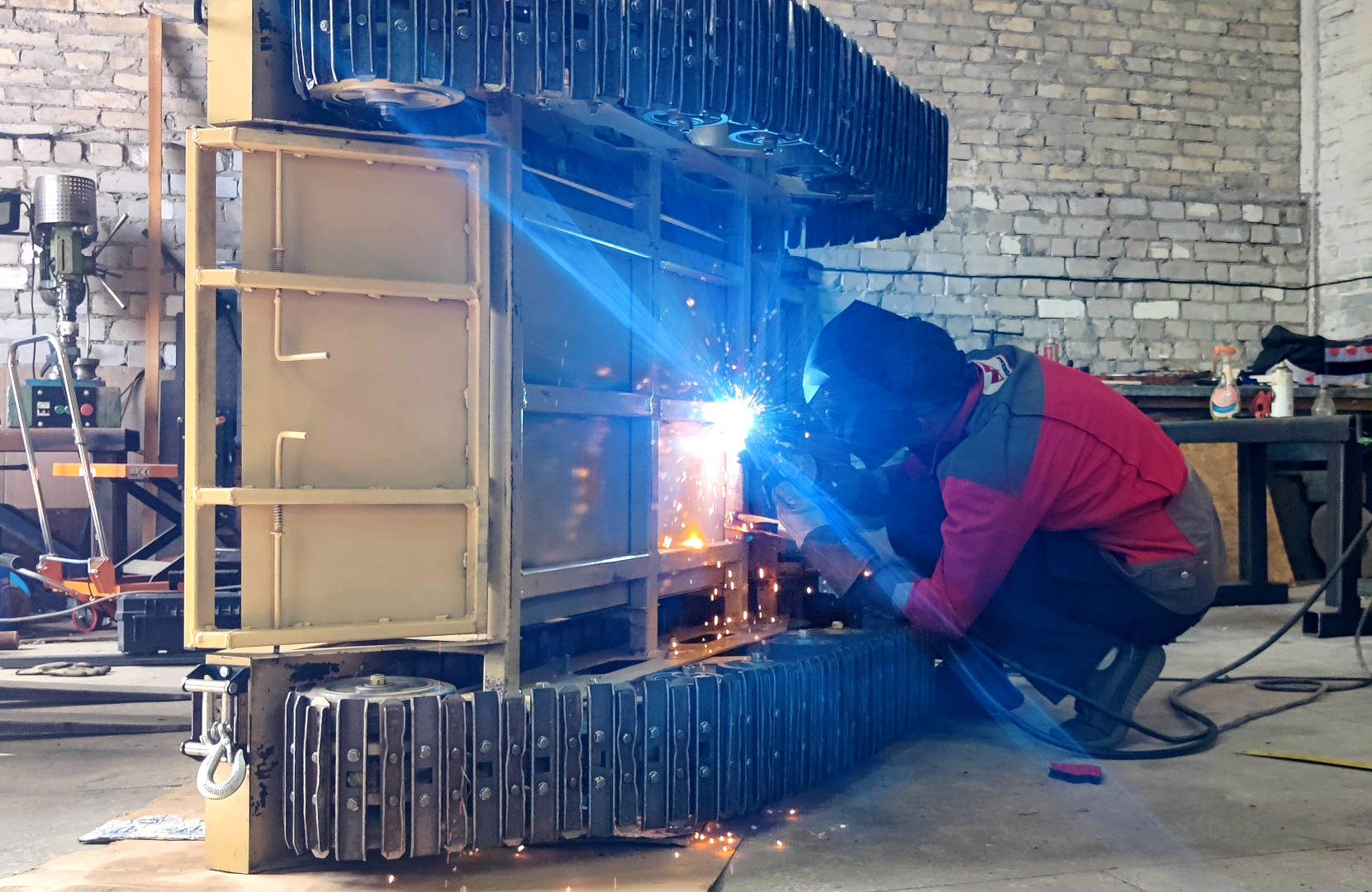
Technologies for Supporting Critical Military Missions
We specialize in developing advanced solutions to support military operations in the most challenging conditions. Our team creates innovative unmanned transporters that provide logistical support, casualty evacuation, and tactical task execution. We aim to enhance the efficiency and safety of military units by implementing cutting-edge technologies that meet the highest standards of reliability and endurance in operational environments.
Our team combines experience, technology, and a commitment to continuous improvement to ensure effectiveness and safety at every stage of mission execution.
Our team combines experience, technology, and a commitment to continuous improvement to ensure effectiveness and safety at every stage of mission execution.
Roadmap
Development and Vision for the Future
ʼ26
- Adapting technologies for civilian applications in peacetime.
- Development of a demining module.
- Integration of artificial intelligence for autonomous navigation.
- Design of a wheeled version of the transporter.
- Creation of an armored capsule for casualty protection.
- Start of development of automatic cargo capture.
- Launch of mass production.
Prototyping and Testing Stage (6–12 months)
October–December
ʼ25
- Beginning of adaptation of technologies for civilian applications
- Experimental integration of an artificial intelligence system for autopilot.
- Codification and state testing.
- Development of GPS/RTK and inertial navigation systems.
- Improvement of operator workstation ergonomics.
- Start development mission management systems.
- Testing at the Ukrainian Armed Forces training ground in conditions close to real-life conditions
September
ʼ25
- Integration and configuration of Starlink satellite communication.
- Testing of the digital communication channel and telemetry.
- Field trials and official project website launch.
August
ʼ25
- Development and production of the hybrid power system.
- Field testing and experimental trials.
- Refinement of the digital control system.
July
ʼ25
- Design and manufacturing of a trailer with a hydraulic system.
- Advancement of digital control and Starlink and LTE communication integration.
May–June
ʼ25
- Testing, optimization, and refinement of core systems.
- Drive system testing and performance improvements.
- Start of digital control system development.
March–April
ʼ25
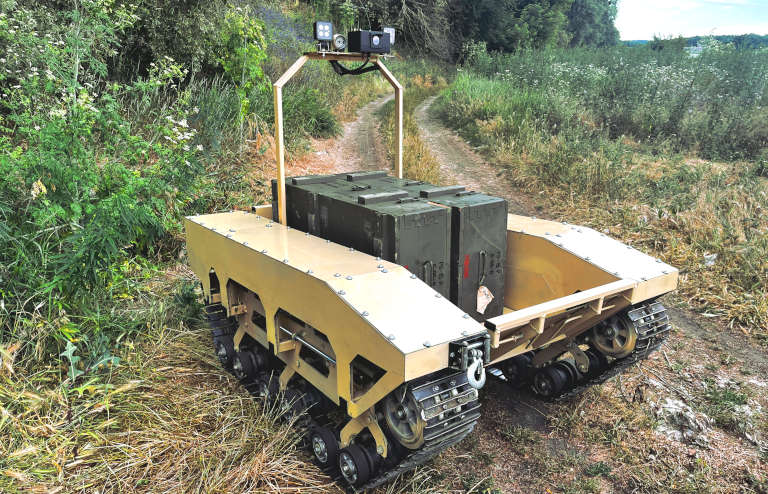
- Development of the third version of the drone with a new suspension and improved construction.
- Series of tests and experiments focused on handling and telemetry.
- Formation of technical requirements for the digital control system.
February
ʼ25
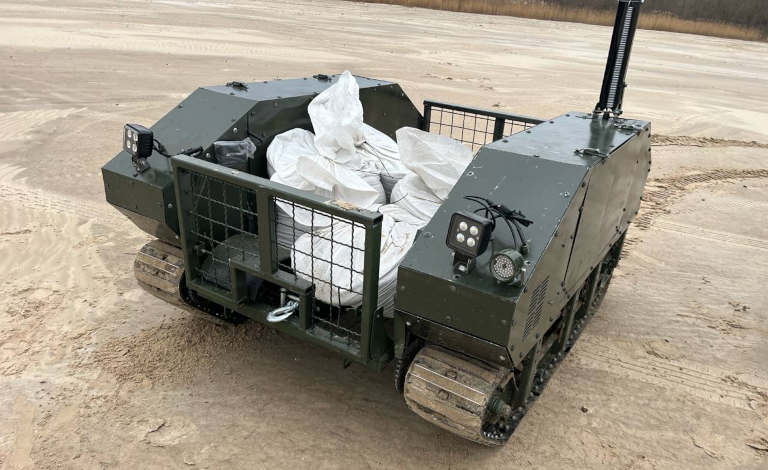
- Manufacturing of the second version of the transporter.
- Testing, identification of limitations, and start of the third version design.
- Integration of backup control and camera-based operation.
January
ʼ25
- Start of designing the second version of the transporter with an improved control system.
- Analysis of the issues found in the first version and optimization of technical solutions.
Research and Concept (0–3 months)
December
ʼ24
- Experiments and trials with the prototype.
- Testing in simulators and real-world terrains.
November
ʼ24
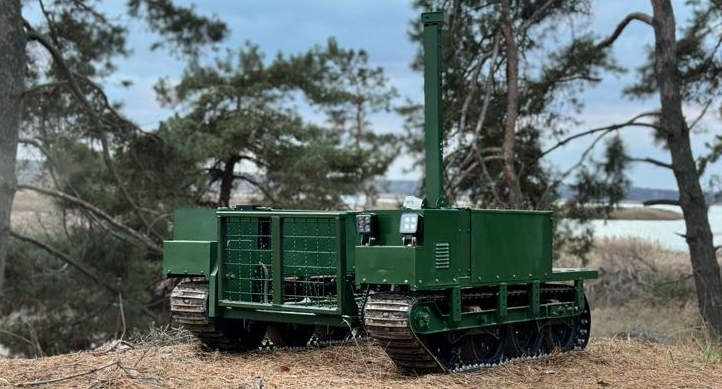
- Creation of a working prototype of the “HoBBiT” transporter.
- Testing of basic functions (movement, load capacity, autonomy).
October
ʼ24
- Start of development of the initial transporter prototype.
- Creation of the conceptual design and technical specifications.
- Formation of the product requirements for “HoBBiT”.
- Market research (military needs and competitor analysis).
Partnership with “HoBBiT”

We are open to collaboration with companies, organizations, and volunteers who aim to support innovative solutions for logistics and evacuation. Together, we can provide military units with the most advanced technology. Join our partnership program to help create reliable solutions for safety and operational efficiency.